Mangokal Holi: The Tradition of Relocating Ancestral Bones in Batak Funerals
- Kamboja Blog
- (updated )
- 6 min read
Indonesia has many funeral traditions that show how communities honor those who have passed away. One of them is mangokal holi, a Batak tradition involving the relocation of ancestral bones from an old grave to a place considered more fitting or closer to the family.
For the Batak people, death does not mean that the bond with deceased family members truly ends. That is why mangokal holi is an important tradition in the social and cultural life of the Batak community.
So, what exactly is mangokal holi? Why are ancestral bones moved? How is the process carried out? And where is this tradition usually performed?
What Is Mangokal Holi?
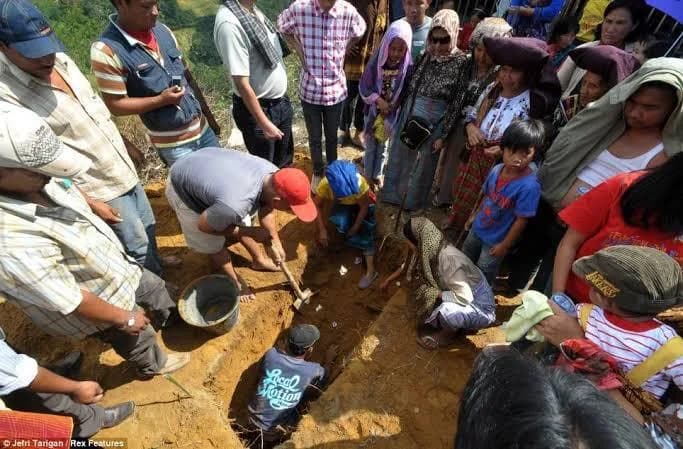
Mangongkal holi, often simply called mangokal holi, is a Batak tradition in which an old grave or udean is reopened to collect the remaining bones of ancestors, known as holi-holi. These bones are then moved and placed in a family tomb or memorial structure called simin.
The process is not merely digging up and moving bones. It is part of a series of traditional ceremonies carried out before, during, and after the grave is opened. Within Batak funeral practices, mangokal holi carries the meaning of respect and honor toward ancestors.
The tradition also gives the extended family an occasion to gather, strengthen kinship ties, and remember the family's contributions and origins.
For the Batak people, moving ancestral bones to a more fitting place is a symbol that the bond and respect toward the deceased are maintained by the living generations.
Where Is Mangokal Holi Performed?
Mangokal holi is known as part of Batak tradition, especially among the Batak Toba in North Sumatra. It is widely found around Lake Toba, in areas such as Samosir, Toba, North Tapanuli, Humbang Hasundutan, and several other regions where the Batak Toba community is settled.
However, the way mangokal holi is carried out can vary between regions and families. The sequence of events, the form of the grave or memorial, and the traditional ceremonies that accompany it may be adapted to local customs, clan, beliefs, and family agreements.
Therefore, there is no single form of mangokal holi that is identical across all Batak areas.
What Is the Procedure of Mangokal Holi?
The procedure of mangokal holi is not limited to digging up a grave and moving ancestral bones. In Batak tradition, the process usually involves a series of customary steps carried out together with the extended family.
Each region and family may have slightly different procedures, but in general the stages begin with family preparations and extend to the traditional events after the ancestral bones are placed in the new grave.
1. Seeking Blessing from the Extended Family
Before mangokal holi takes place, the family first makes customary preparations and asks for blessing from the family members who hold important roles in Batak custom.
One of them is the hula-hula, the maternal side of the family, which holds an important position in the Batak kinship system. In addition to the hula-hula, the family may also invite Bona ni Ari, Tulang, and other relatives to attend and support the proceedings.
This stage shows respect for the extended family and ensures that everyone connected to the custom knows the plan for carrying out mangokal holi.
2. Holding Martonggo Raja
Once the extended family is involved, martonggo raja is held, a family deliberation to discuss the various preparations for mangokal holi. At this meeting, the family may discuss the timing, cost requirements, sequence of events, who will be invited, and other technical needs.
Martonggo raja is important because mangokal holi usually involves many family members. Through this deliberation, each party can understand their role so the event can run in a more orderly way.
3. Digging Up the Ancestral Grave
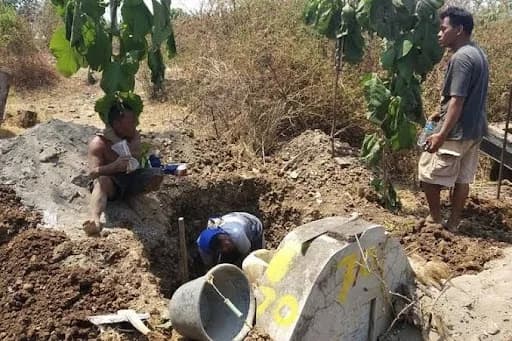
After all preparations are complete, the main part of mangokal holi arrives: digging up the ancestral grave. The digging is carried out in turn by family members according to the order and customary rules that apply.
In some ceremonies, the digging begins with the Bona ni Ari side, followed by the Tulang and the paranak, or male lineage. Each may make a swing of the hoe according to custom before the digging continues.
This stage is carried out with deep respect, because the family is retrieving the ancestral bones to be moved to their new resting place.
4. Cleaning and Wrapping the Ancestral Bones
Once the bones are found, they are cleaned of the soil still clinging to them. Afterward, the bones may be wrapped in white cloth before being taken to the family burial site or tambak.
In some traditional ceremonies, the bones may also be treated with turmeric or hunuk. The use of hunuk carries symbolic meaning related to sanctity and reverence for ancestors. However, this practice may differ according to each family's custom and habits.
5. Moving the Bones to the Family Tambak
After being cleaned and prepared, the ancestral bones are carried to the tambak, the prepared family burial place. This relocation is a symbol of honor toward ancestors and part of the family's effort to maintain kinship ties and family identity.
For the Batak people, the family grave or tambak also serves as a reminder of origins and lineage. For this reason, the procession of moving the bones is not only related to burial but also carries social and cultural value.
6. Concluding with a Customary Feast
After the entire mangokal holi sequence is complete, the family usually holds a communal meal. This feast is an expression of gratitude and an opportunity for the extended family and relatives to gather.
In certain ceremonies, the family may prepare traditional dishes and even slaughter an animal such as a buffalo. However, the form of the feast and the food served can vary depending on the family's means, agreements, and the custom that applies.
Honor and Remember Your Ancestors Through the Mangokal Holi Process
Mangokal holi is one of the Batak traditions carried out by lifting and relocating ancestral bones from an old grave to a prepared place. This tradition carries strong meaning as a way of honoring ancestors, strengthening family bonds, and preserving the memory of family history and origins.
When a family is preparing for a funeral tradition, many things must be considered at once, from equipment needs and transportation to logistics during the procession. All of this can understandably feel exhausting.
Kamboja.co.id is a funeral service that helps handle these needs more practically, so families do not have to be busy managing each technical matter one by one. With Kamboja.co.id, families can feel more at ease carrying out the proceedings and giving their ancestors the best honor. To learn about the services available, please contact WhatsApp +62 822-1111-1415.
- #grave relocation service
- #funeral service

Kamboja Blog
The Kamboja team writes guides on bereavement, funeral arrangements and funeral planning to help families in Indonesia.