Relocating the grave of someone who has passed away is not usually a decision taken lightly. Chinese funerals hold a value that goes beyond a final resting place. There is respect for ancestors, family tradition, and beliefs that need to be considered when a grave is to be dug up or moved.
For this reason, many families ask: Is it permissible to relocate a Chinese grave? Are there any taboos? What should be done, and what should be avoided? Read on to learn more here.
Is Relocating a Chinese Grave Permitted?
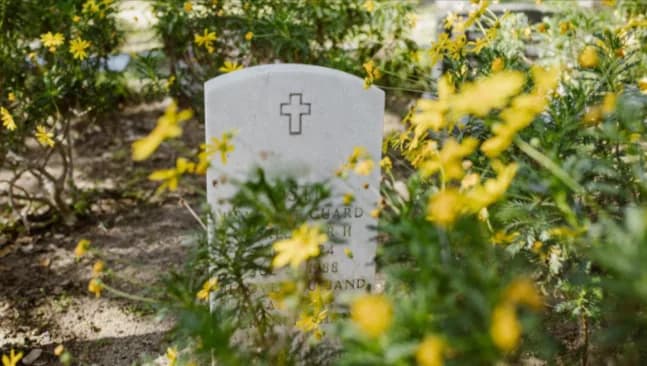
There is no absolute prohibition on relocating a grave in Chinese tradition. A grave may be moved if there is a reason that is considered important, and the process is carried out with respect.
In the context of traditional beliefs, ancestral graves are also connected to the concept of grave feng shui. For this reason, the decision to move a grave sometimes involves considerations of location, the orientation of the grave, environmental conditions, and consultation with someone who understands the tradition.
However, it is important to distinguish between cultural tradition and religious obligation. Not all Chinese families hold the same beliefs or practices. Some are Buddhist, Confucian, Taoist, Protestant, Catholic, or follow other religions.
Why Might a Chinese Grave Be Relocated?
There are various reasons why a grave may be moved. One is that the condition of the burial site is no longer viable to maintain.
For example, a cemetery area may be closed, relocated, affected by development, or a family may need to move the remains to a family burial plot.
Another reason is the family's wish to unite ancestral graves in one area. With the graves located close together, the family can more easily visit and pay respects to their ancestors.
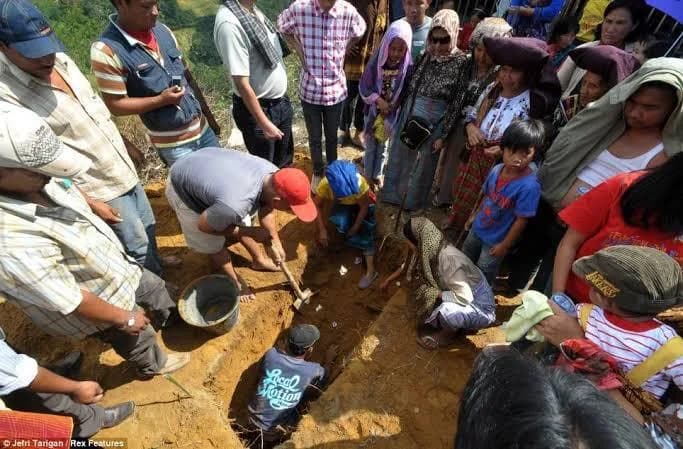
In some traditions, families may also carry out a bone-gathering process. This is done by opening the old grave and transferring the remaining bones to a container or a new burial place.
There are also families who relocate graves for feng shui considerations. In certain traditions, the location and position of a grave are believed to be connected to family harmony and respect for ancestors.
Are There Taboos When Relocating a Chinese Grave?
A number of taboos are recognized in Chinese community traditions. However, these taboos can differ from one family to another.
Some commonly observed points include:
1. Do Not Open the Grave Carelessly
A grave should not be dug up without preparation. Families usually choose a time considered suitable based on the tradition they follow.
In families that still follow feng shui traditions, the choice of date and time may be consulted with someone who understands traditional calculations.
2. Respect the Bones or Remains
If relocation takes place after the body has naturally decomposed, the remaining bones need to be handled with great care.
The bone-gathering process is not merely taking bones from the grave and moving them. There are specific procedures regarding how the bones are collected, cleaned, placed, and transferred, which should be carried out respectfully.
3. Do Not Treat the Process as Ordinary Work
For families who hold firmly to tradition, relocating a grave is a ceremony of honoring ancestors.
For this reason, those involved should maintain a respectful attitude and avoid any actions considered disrespectful during the process.
4. Pay Attention to the Day and Time
In some traditions, families will choose a particular date and time to carry out the digging up and relocation of the grave.
These considerations usually relate to the Chinese calendar, feng shui, or the family's traditional calculations.
However, there is no single universal rule about which date must be used by all Chinese communities.
Procedure for Relocating a Chinese Grave
In general, the procedure may differ depending on the location and condition of the grave. However, an overview of the process may include the following stages.
1. Determine the Reason and New Location
The family first determines the reason for the relocation and the new burial location.
If the relocation is due to the reallocation of the cemetery, make sure the new location is already available before the old grave is dug up.
2. Arrange Permits
The family needs to contact the cemetery management and relevant authorities to learn which documents and permits are required. Administrative requirements may differ by region.
3. Set the Time of Relocation
For families who practice Chinese traditions, the timing of the relocation may be decided based on customary considerations or consultation with a trusted person.
4. Open the Grave
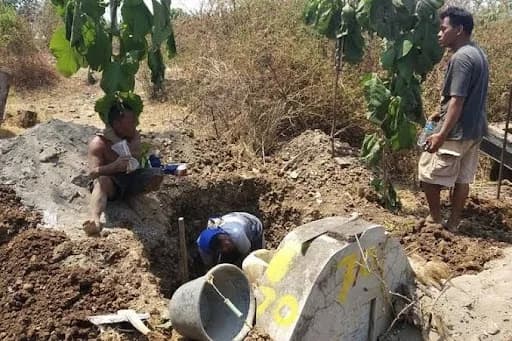
The grave is then carefully opened. This process should ideally be carried out by experienced personnel so that the grave and the remains can be handled appropriately.
5. Gather and Arrange the Bones
If a bone-gathering process is carried out, the remaining bones are collected and handled according to the family's tradition. The bones may then be placed in a prepared container.
6. Perform Ceremonies According to Tradition
If the family has particular rituals or prayers, the ceremony can be carried out in accordance with the religion and tradition they follow.
For example, a family following Buddhist funeral arrangements may consult religious representatives regarding suitable prayers or rituals.
7. Transport to the New Location
The remains or coffin are then transferred to the new location using appropriate transportation.
8. Reburial
The final stage is placing the body or bones in the new grave and completing the burial ceremony according to the family's tradition.
Kamboja.co.id Assists With Grave Relocation
Relocating a grave is not only about digging up the old grave and preparing a new one. There are many details to attend to, from coordinating with the cemetery management to the reburial ceremony.
For families who prefer not to handle everything themselves, Kamboja.co.id provides grave relocation services that can help with this process.
Kamboja.co.id also provides a range of bereavement services, including body handling services, body transportation, body cargo, body repatriation, and funeral services.
For Chinese families, the need to relocate a grave can also be discussed in advance so that the process can be tailored to the condition of the grave, the destination location, and the traditions the family wishes to observe.
For more information, you can visit the Kamboja.co.id funeral services page or contact the following WhatsApp number: +6282211111415.
In short, there is no reason to automatically regard grave relocation as taboo. Relocation can be carried out for many reasons, as long as it is done respectfully, follows the proper procedures, and takes the family's traditions into account.
- #grave relocation services
- #funeral services

Kamboja Blog
The Kamboja team writes guides on bereavement, funeral arrangements and funeral planning to help families in Indonesia.