Everyone knows that clothing has its own etiquette. We are free to choose what to wear, but in certain situations we need to adjust our clothing.
One situation you should be mindful of is choosing clothing for a visit of condolence. In the following article, we will discuss dress etiquette for paying respects, especially when visiting the funeral of a deceased relative.
What It Means to Pay Respects
Paying respects is the tradition of visiting, in a time of grief, the home of a family left behind by someone who has just passed away. At this moment, people come together to offer emotional support to the grieving family and to express their sympathy.
The tradition of paying respects often involves expressions of condolence, prayers, and physical presence to provide emotional support to the grieving family. In addition, the clothing worn when paying respects also reflects politeness and respect for the deceased.
Dress Etiquette for Paying Respects
Dressing appropriately for a visit of condolence is important in expressing respect and courtesy toward the grieving family. It is important to know how to dress so that you make a good impression on the relative or family member who is mourning. Here are some dress etiquette tips for paying respects:
1. Color of Clothing
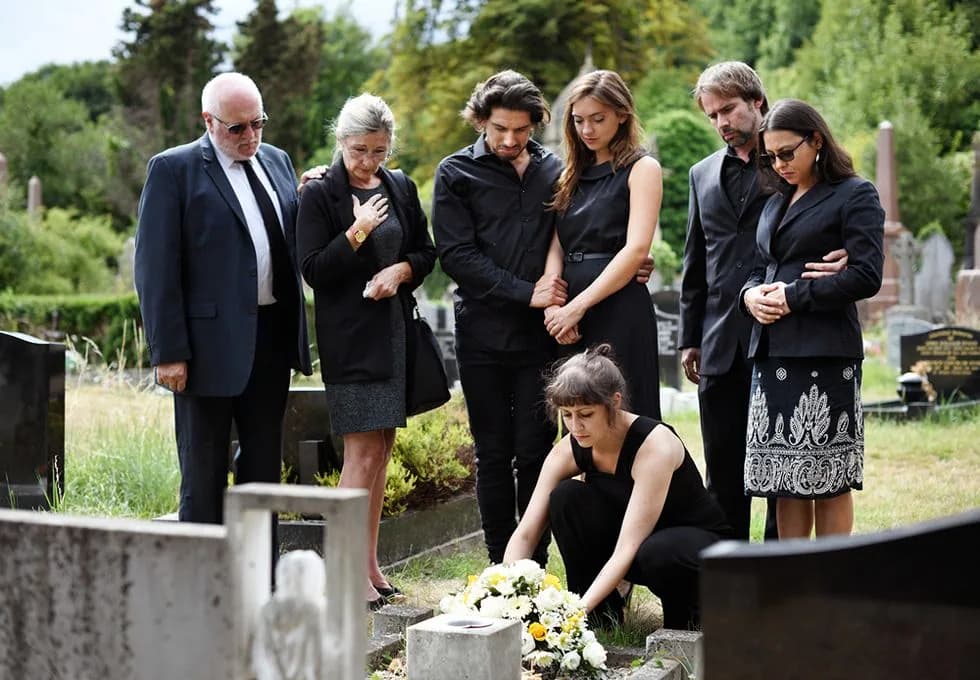
Choose clothing in dark colors, such as black, gray, or dark blue. These colors have traditionally been regarded as symbols of mourning and sorrow. This is a general etiquette even here in Indonesia.
If you do not have black clothing, you may use dark clothing as an alternative. Also remember to check the funeral process or customs before choosing your outfit.
Never wear bright colors, as they can come across as disrespectful. In some cultures, certain colors such as red are considered symbols of celebration.
In Indonesia, where the majority of people are Muslim, the teachings generally call for white clothing, as written in the following:
“"Wear white, and wear it always, for indeed white clothing is brighter and better, and shroud the dead in that color"(HR. At-Thabrani)
2. Style of Clothing
Choose clothing that is modest and not conspicuous. Avoid clothing that is too eye-catching, especially with flashy designs or bright colors.
Any style of clothing is acceptable when paying respects, as long as it is neat, modest, and covers the aurat. In Europe, people generally wear formal attire such as a suit. Avoid sleeveless clothing; if you have no choice, at least wear an outer layer or a shawl to cover your arms.
3. Avoid Luxurious Accessories
Consider not wearing eye-catching accessories or jewelry. Whenever possible, avoid overly conspicuous jewelry and opt for simple pieces. Jewelry you can wear and still remain modest includes, for example, a pearl necklace or stud earrings, since these are not too showy.
4. Avoid Clothing That Is Too Casual
Although the atmosphere of a visit of condolence is relaxed, avoid overly casual clothing such as sportswear or flip-flops. Make sure to wear clothing that is modest and neat as a final sign of respect for a close relative.
Do not wear clothing with bold patterns or motifs, especially bright skirts. Wear comfortable formal shoes, as at a funeral you will generally be moving around more and meeting many people.
5. Wear Clothing That Suits Your Religion
If the family or a particular religious tradition calls for specific rules, be sure to respect and follow them. You may also look for brief information about the religion or tradition involved.
Each custom has its own dress etiquette. For example, some Eastern countries use white clothing for funerals, while dark colors are widely used in several European countries and in Indonesia.
6. Be Mindful of the Local Environment
Some cultures or communities may have their own norms regarding dress etiquette for paying respects. Pay attention to local norms and the traditions that apply.
You may also adjust your clothing to the weather, for example if the weather feels unfriendly. You can wear a coat or bring an umbrella, but keep them in black or dark colors.
7. Wear Comfortable Clothing
While it is important to respect dress etiquette, make sure the clothing you wear remains comfortable, especially if you plan to attend a visit of condolence that will last for quite some time.
Attitudes to Have When Paying Respects
When paying respects, there are several attitudes worth cultivating to show honor and support to the grieving family. You need to keep a respectful attitude during the funeral, as it is a crucial moment. Here are some important attitudes:
A. Empathy
Show empathy and sympathy toward the grieving family. Listen attentively, and condolence message that is kind and polite.
B. Patience
Respect the grieving process the family is going through. Be patient and honor their time and personal space.
C. Respect for Traditions
Follow the rules and traditions that apply in the place where you are paying respects. Honor the religious beliefs and cultural customs that may shape how condolences are offered.
D. Mind Your Speech
Avoid saying anything inappropriate or sensitive. Steer clear of topics that could cause discomfort or hurt the feelings of a grieving family.
E. Respect Privacy
Respect the family's privacy and do not intrude into their personal affairs without permission. Show consideration for their personal space as they cope with their sorrow.
F. Prayers or Positive Thoughts
If it fits with the religious beliefs or faith of the family, offer a prayer or positive thoughts for the deceased and for the family left behind.
It Is Important to Understand the Etiquette of Dress When Paying Respects!
By choosing clothing suitable for paying respects, we not only honor traditions and social norms, but also express empathy. The right choice of clothing becomes an expression of our presence during these difficult moments. This funeral etiquette attitude has been instilled since long ago and has become an obligation.
If your relatives or family are facing a loss and are unsure where to find funeral services, Kamboja is on standby 24 hours a day to receive reports of a death and to handle everything from arrangements through to the funeral. For more information, you can contact Kamboja contacts directly and speak with one of the Kamboja team.
Kamboja stands by you in providing professional funeral protection and funeral management services for you and your loved ones when that day comes.

dev_kamboja
The Kamboja team writes guides on bereavement, funeral arrangements and funeral planning to help families in Indonesia.