In the Catholic faith, caring for the deceased is not merely an obligation, but a form of respect for a life that has returned to the Creator.
The process of caring for the deceased is not only an important moment to say farewell, but also a sign of love and a final act of respect for the soul that has left its physical body.
In this article, we will discuss how the care of the deceased is carried out within the context of Catholic belief.
How to Care for the Deceased in the Catholic Faith
In the Catholic faith, the customs for caring for the deceased are not merely a ritual, but a profound expression of respect for a life that has passed away.
This care is carried out with full respect for the values of life and death. Below are several stages in caring for the deceased within the context of the Catholic faith:
1. Washing the Body
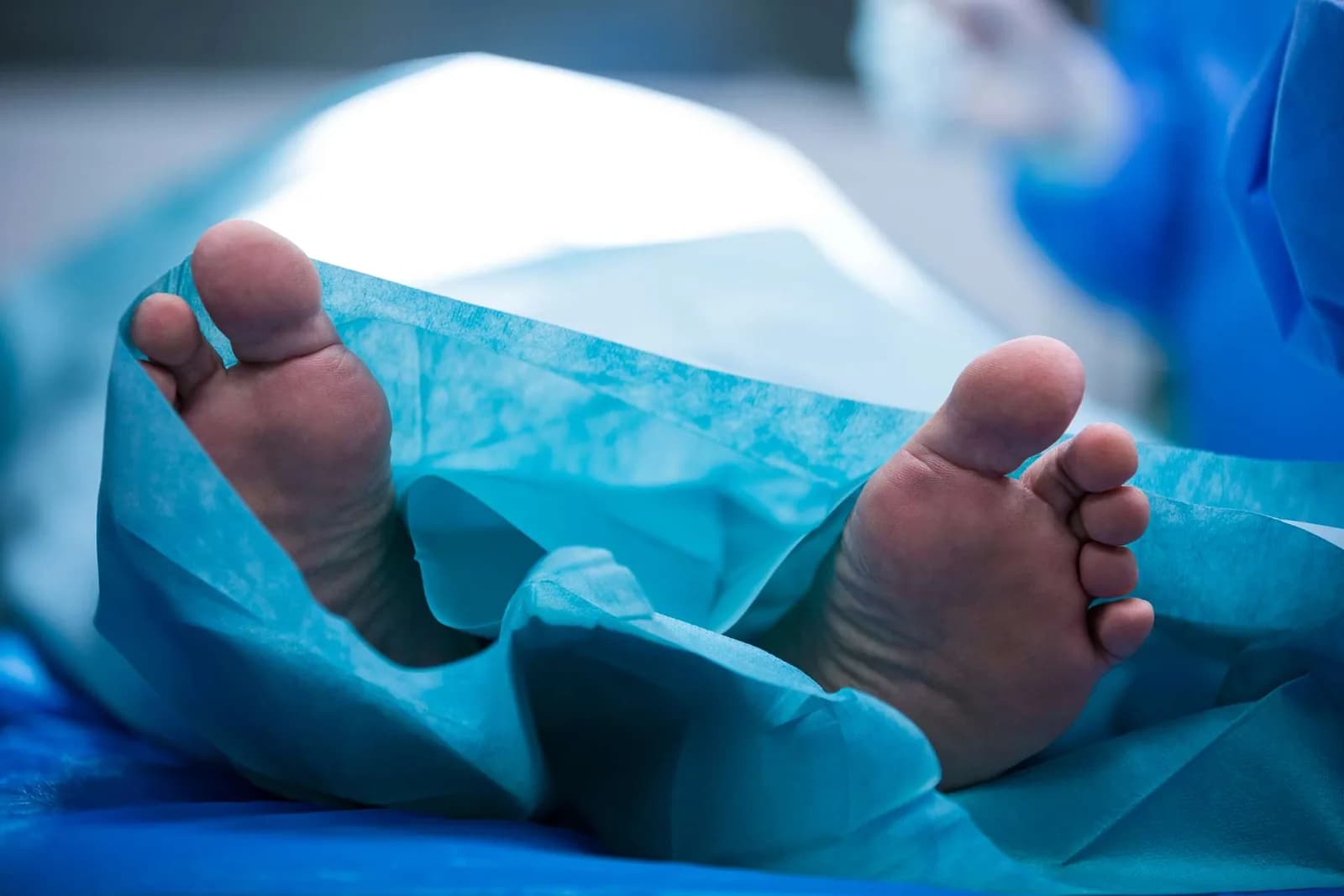
First, the process of caring for the deceased in the Catholic faith begins with washing the body. This step is done as an effort to cleanse and purify the body that has died.
The caregivers are usually appointed staff or close family members who have a sincere intention to perform this task.
This washing is intended to make the body clean and pure before its journey to the afterlife. The water used is often mixed with fragrant oil or flowers, creating a calm and reverent atmosphere.
During this sacred moment, special prayers are offered to ask for blessings and the forgiveness of any sins that may still cling to the soul that has left this world.
2. Dressing the Body Appropriately and Preparing the Body
Next, after the washing is complete, the body is dressed in appropriate clothing. Choosing clothing that is fitting and in accordance with religious norms is highly valued.
The clothing should reflect simplicity and dignity, since the main focus at this time is preparing the body to meet the Creator.
After the clothing is put on, the next step is preparing the body. Although the purpose is not to beautify, but to give a calm and peaceful appearance, in line with the teachings of the Catholic faith.
Once preparation is complete, the body is carefully wrapped using embalming preservatives. The use of these preservatives serves not only a practical purpose in keeping the body clean, but also as a step in preparing for the funeral process.
3. Placing the Body in the Coffin
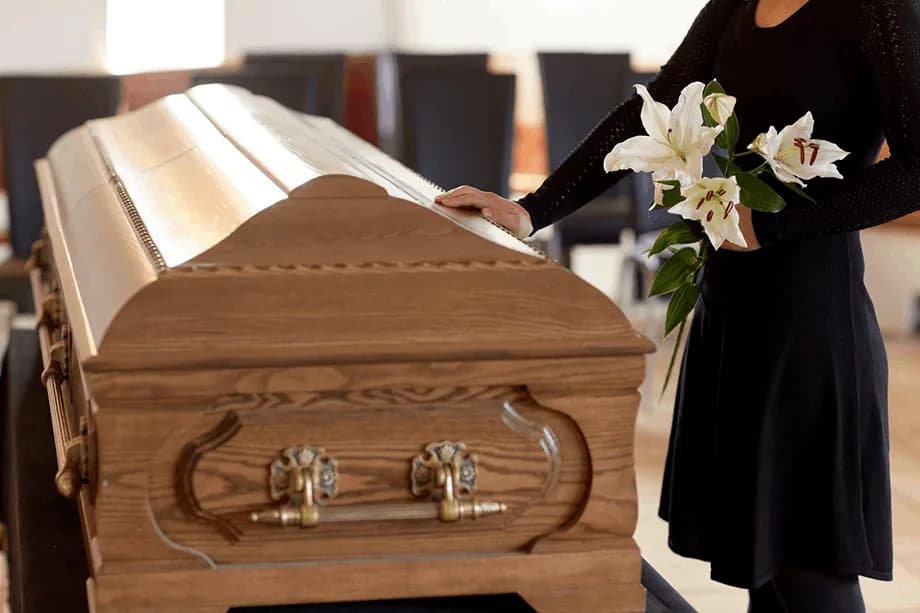
The care of the deceased in the Catholic faith proceeds with a careful step, namely placing the body in the coffin. This aims to protect the honor and dignity of the deceased throughout the process of preparation for burial.
The body is positioned in a fitting and appropriate manner, often with the hands folded over the chest as a sign of respect and a prayer for the soul that has returned.
Coffins in Catholic tradition are often chosen carefully, frequently made from strong and sturdy wood, and designed thoughtfully to provide a peaceful resting place for the body.
Ethics of Catholic Funeral Care
The ethics of caring for the deceased within the Catholic context refers to a set of norms and moral values that govern how the body of the deceased is treated.
This includes not only the physical process of caring for the deceased, but also reflects the belief in eternal life and the immortality of the soul before God. Below are several aspects of the ethics of caring for the deceased in the Catholic tradition:
A. Respect for the Body
Catholic ethics of caring for the deceased emphasizes the importance of showing respect and the best treatment toward the body of the deceased. The body is regarded as the dwelling place of the soul and as a creation of God that must be honored. Every act of caring for the deceased should be carried out with gentleness, reverence, and deep respect for the life that has returned.
B. Use of Religious Symbols
In Catholic funeral care, religious symbols such as the cross, holy water, and holy oil are often used. The cross may be placed near the body as a sign of resurrection and hope for eternal life.
Blessed holy water is used to cleanse the body and symbolizes baptism and the cleansing of sin. Holy oil may be applied as a sign of protection and spiritual comfort.
C. Prayer and Religious Ceremonies
The importance of prayer and religious ceremonies cannot be overlooked in the ethics of Catholic funeral care. Family members and community members may gather to pray together, remember the life that has passed, and ask God's grace for the soul that has left the body.
Special prayers and liturgy may also be integrated into the funeral process to give it a deep spiritual dimension.
Understanding the Resurrection and Eternal Life
Beyond caring for the deceased, Catholic teaching speaks of the resurrection and eternal life. The Catechism of the Catholic Church, article 1016, states:
“By death, the soul is separated from the body; but in the resurrection, God gives eternal life to the transformed body by reuniting it with our soul. Just as Christ has risen and lives forever, so also all of us will rise on the last day”.
Burial is not the end of everything, but the beginning of a new life in the presence of God. This belief brings comfort to Catholics and forms the foundation for carrying out the care of the deceased with hope and faith.
Closing the Chapter of Life with Dignity and Respect
Caring for the deceased is an expression of respect and the conviction that life after death is part of a divine plan that should be faced with faith and hope. This process underlines the belief in eternal life and the hope of meeting again before the Creator.
Are you looking for a funeral care service that is devoted and respectful in carrying out the Catholic funeral process? Kamboja, as a funeral care service, is committed to providing services that meet Catholic religious norms with care and respect.
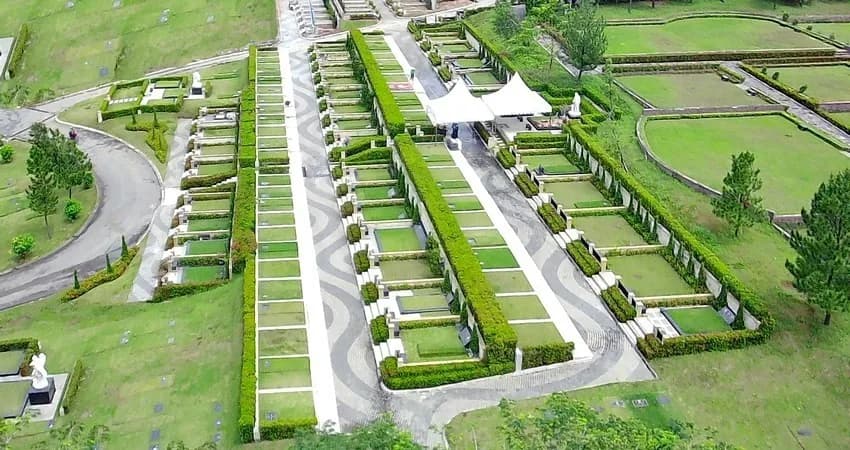
With a deep understanding of Catholic burial customs and Catholic graves, Kamboja strives to create a peaceful environment and provide the finest resting place for those who have passed away. Kamboja is always by your side, offering professional funeral protection and funeral management services.
If you wish to pay your final respects to a loved one, contact Kamboja today!

dev_kamboja
The Kamboja team writes guides on bereavement, funeral arrangements and funeral planning to help families in Indonesia.