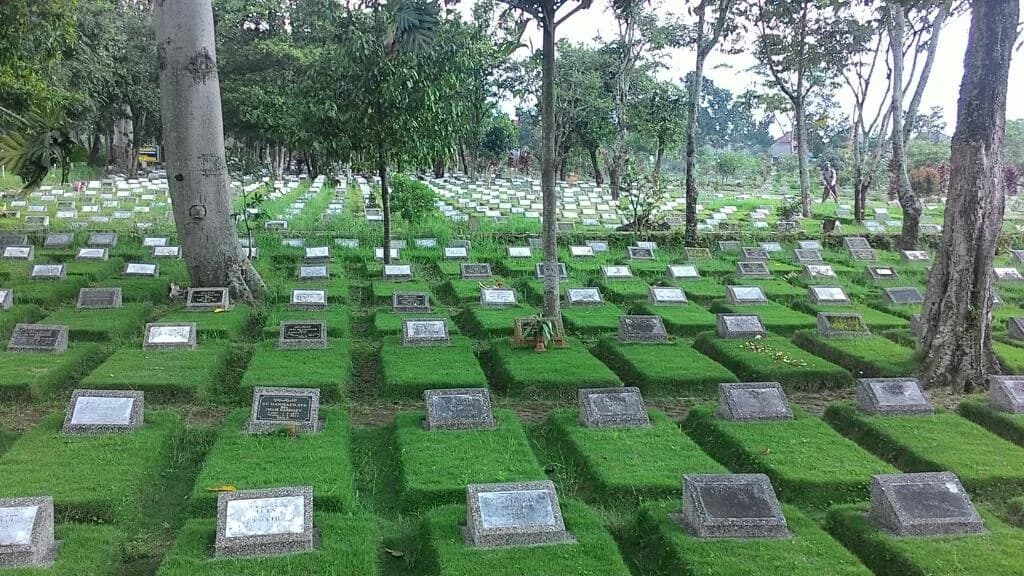
Islam has its own procedures for caring for the deceased, known as tajhizul jenazah. The obligation to attend to the deceased is fardhu kifayah. This means that if some members of the community carry it out, the obligation is lifted from the rest of the Muslim community. So, what is the proper way to care for the deceased in Islam?
Procedures for Caring for the Deceased: Tajhizul Jenazah
These procedures should not be carried out carelessly. There are several steps involved in the process, starting with washing the body, shrouding it, and performing the funeral prayer. Here is an explanation of each stage of caring for the deceased in accordance with Islamic teaching:
1. Washing the Body
The first thing you should do when attending to the deceased is to wash the body. Cleansing the body of any impurities before wrapping it in the burial shroud is an obligation.
However, the washing of the body must not be done carelessly. So, what is the proper procedure for washing the body that is good and correct in Islam? Here is the explanation:
- Wear rubber gloves when about to wash the body.
- Cover the deceased's private parts with a cloth.
- Clean the body. In addition, also clean out any impurities inside the body. To help expel waste from the stomach, gently press the abdomen until no more impurities come out.
- Pour soapy water over the body.
- Rinse the body until it is clean.
- The next step in caring for the deceased in tajhizul jenazah is to recite the intention appropriate to the gender of the deceased while washing the body.
- Pour water over and wash the body from the head to the feet. Begin with the right side of the body, then the left side. Repeat each of these three times.
- Turn the body to the left and to the right to clean the area from the side of the torso to the back.
- Pour water mixed with camphor over the body.
- Perform wudhu for the deceased.
- Dry the deceased's hair with a towel.
- Apply a fragrance that does not contain alcohol.
- Wrap the body in the shroud.
The intention recited while washing the deceased differs depending on the gender of the deceased. Here are the details:
1. Intention for Washing a Deceased Woman
نَوَيْتُ الْغُسْلَ اَدَاءً عَنْ هذِهِ الْمَيِّتَةِ ِللهِ تَعَالَى
The Latin transliteration is:
"Nawaitul ghusla ada-an 'an hadzihil mayyitati lillahi ta'ala."
The meaning is:
"I intend to wash this (female) deceased to fulfill the obligation for her, for the sake of Allah Ta'ala."
2. Intention for Washing a Deceased Man
نَوَيْتُ الْغُسْلَ اَدَاءً عَنْ هذَاالْمَيِّتِ ِللهِ تَعَالَى
The Latin transliteration is:
"Nawaitul ghusla ada-an 'an hadzal mayyitati lillahi ta'ala."
The meaning is:
"I intend to wash this (male) deceased to fulfill the obligation for him, for the sake of Allah Ta'ala."
2. Shrouding the Body
After washing the body, the next step in caring for the deceased, or tajhizul jenazah, is shrouding. Here is the procedure for shrouding the deceased the good and correct way in Islam:
- Lay out 7 shroud ties. These are for the top of the head, under the chin, under the hands, the buttocks, the knees, the calves, and the soles of the feet.
- Spread out the shroud. Arrange the first layer and the other layers by overlapping only part of the cloth. For the third layer of shroud, you can lay it out across the middle of the body.
- Sprinkle camphor powder over the shroud.
- Place the triangular-shaped turban or headscarf over the upper part of the head.
- Lay out the shirt cloth, with a diamond-shaped opening at the neck.
- The sarong cloth goes in the middle of the shroud, specifically over the buttocks.
- Lay the loincloth lengthwise to cover the genitals.
- Place the body lengthwise inside a covered place.
- Comb the hair back.
- Fit the loincloth and tie it.
- Close the nostrils and ears with round cotton.
- Fold the hands across the chest, with the right hand over the left.
- Cover the joints of the body with cotton sprinkled with camphor powder and sandalwood.
- Fold the sarong and dress the body in the shirt.
- Tie the turban under the chin.
- Wrap the shroud around the entire body.
- Secure it with rope.
3. How to Pray over the Deceased
The next step in caring for the deceased, or tajhizul jenazah, is the funeral prayer. Here are the steps for praying over the deceased in the good and correct way in Islam:
- Make the intention in the heart.
- Stand, for those who are able.
- Perform four takbirs.
- After the first takbir, recite Surah Al-Fatihah.
- Recite the salawat after the second takbir.
- After the third takbir, recite the prayer for the deceased.
- Finally, recite the prayer after the fourth takbir.
The following are the prayers you should recite after the third takbir, according to the gender of the deceased.
1. Prayer for a Deceased Man
اللَّهُمَّ اغْفِرْ لَهُ وَارْحَمْهُ وَعَافِهِ وَاعْفُ عَنْهُ وَأَكْرِمْ نُزُلَهُ وَوَسِّعْ مُدْخَلَهُ وَاغْسِلْهُ بِالْمَاءِ وَالثَّلْجِ وَالْبَرَدِ وَنَقِّهِ مِنَ الْخَطَايَا كَمَا نَقَّيْتَ الثَّوْبَ الأَبْيَضَ مِنَ الدَّنَسِ وَأَبْدِلْهُ دَارًا خَيْرًا مِنْ دَارِهِ وَأَهْلاً خَيْرًا مِنْ أَهْلِهِ وَزَوْجًا خَيْرًا مِنْ زَوْجِهِ وَأَدْخِلْهُ الْجَنَّةَ وَأَعِذْهُ مِنْ عَذَابِ الْقَبْرِ أَوْ مِنْ عَذَابِ النَّارِ
The meaning is:
"O Allah, forgive him and have mercy on him. Grant him safety and pardon him. Honor his lodging and widen his entrance. Wash him with water, snow, and hail."
"Cleanse him of all sins as You cleanse a white garment of its stains. Give him a home better than his home, a family better than his family, and a spouse better than his spouse. Admit him into Paradise and protect him from the punishment of the grave or the punishment of the Fire."
2. Prayer for a Deceased Woman
اللَّهُمَّ اغْفِرْ لَهَا وَارْحَمْهَا وَعَافِهَا وَاعْفُ عَنْهَا وَأَكْرِمْ نُزُلَهَا وَوَسِّعْ مُدْخَلَهَا وَاغْسِلْهَا بِالْمَاءِ وَالثَّلْجِ وَالْبَرَدِ وَنَقِّهَا مِنَ الْخَطَايَا كَمَا نَقَّيْتَ الثَّوْبَ الأَبْيَضَ مِنَ الدَّنَسِ وَأَبْدِلْهَا دَارًا خَيْرًا مِنْ دَارِهَا وَأَهْلاً خَيْرًا مِنْ أَهْلِهَا وَزَوْجًا خَيْرًا مِنْ زَوْجِهَا وَأَدْخِلْهَا الْجَنَّةَ وَأَعِذْهَا مِنْ عَذَابِ الْقَبْرِ أَوْ مِنْ عَذَابِ النَّارِ.
The meaning is:
"O Allah, forgive her and have mercy on her. Grant her safety and pardon her. Honor her lodging and widen her entrance. Wash her with water, snow, and hail."
"Cleanse her of all sins as You cleanse a white garment of its stains. Give her a home better than her home, a family better than her family, and a spouse better than her spouse. Admit her into Paradise and protect her from the punishment of the grave or the punishment of the Fire."
Do You Know the Proper Way to Care for the Deceased (Tajhizul Jenazah)?
That is the discussion of the good and correct way to care for the deceased, tajhizul jenazah. Death is a decree of Allah SWT, so every person will certainly experience it. If you are looking for a service to body care, then you can use funeral services on-demand service Kamboja.
Services from on-demand service Kamboja is ready to assist with everything from caring for the deceased to the funeral on the day of mourning. In addition, Kamboja also has a thorough understanding of the proper procedures for washing and shrouding the deceased. Kamboja will handle all of it professionally, so the family does not have to worry about the burden during their grief.

dev_kamboja
The Kamboja team writes guides on bereavement, funeral arrangements and funeral planning to help families in Indonesia.