Requirements, Procedure, Costs and Reasons for Relocating a Grave
- dev_kamboja
- (updated )
- 6 min read
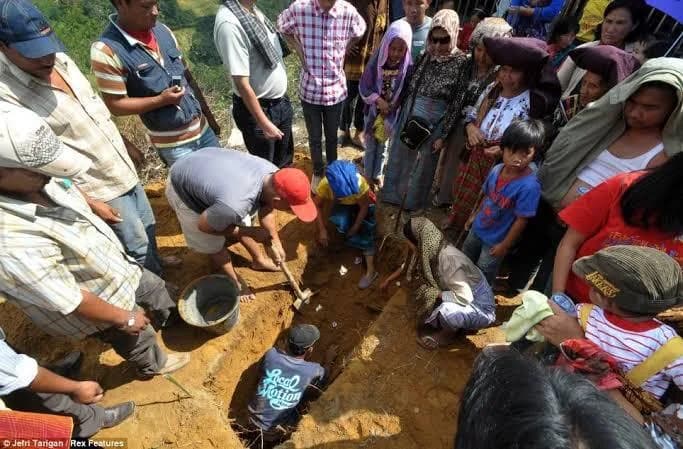
Relocating a grave is usually done in emergency situations. For example, if the soil around the grave has collapsed due to flooding, if water has pooled inside the grave, if the body has not yet been washed, if belongings have been buried with it, or if the family wishes for the grave to be closer to where they live.
Before relocating a grave, you first need to understand the requirements and legal rules for relocation, the procedure, and some of the reasons why a grave may need to be moved.
Requirements and Legal Rules for Relocating a Grave
Before relocating a grave, you need to understand the legal rules on grave relocation in Islam. In brief, scholars hold differing opinions on this matter.
The majority of scholars outside the Hanafi school prohibit it. However, the Shafi'i school permits it provided the situation is an emergency.
The Maliki school likewise permits it on condition that the dignity of the deceased is not diminished, the body is not damaged, and the action is carried out for the public good.
In short, relocating a grave is permissible in an emergency. In addition, the manner of relocation and its purpose must be good and serve the common welfare. It must not be carried out carelessly without regard for what is right.
The administrative requirements for grave relocation, based on information from the website of the Ministry of State Apparatus Empowerment and Bureaucratic Reform and the Sleman Public Cemetery Technical Implementation Unit (UPTD TPU), include:
- Photocopy of the ID card (KTP) of the heir or person responsible for the deceased.
- Photocopy of a valid permit for use of the grave land.
- A statement from the heir or person responsible for the deceased guaranteeing freedom from any claims by other parties.
- A coffin and burial shroud for the deceased.
Procedure and Steps for Relocating the Deceased
Before finding out how much relocating a grave costs, first understand the procedure, which is as follows:
1. Heirs Visit the UPTD TPU Office
The first step is for the heir or person responsible to visit the Public Cemetery Technical Implementation Unit (UPTD TPU) office in their regency.
2. Heirs Complete and Submit the Data
Next, the heir must fill in the administrative data, such as:
- Application form.
- Photocopy of the ID card (KTP) of the heir or person responsible.
- Photocopy of a valid permit for use of the grave land.
- A statement from the person responsible or heir guaranteeing freedom from claims of any kind by other parties.
- Complete all the data and hand it over to the TPU officer.
3. TPU Officer Prepares the Proof Documents
At this stage, the TPU officer issues a payment receipt according to the retribution calculation.
4. Paying the Excavation and Relocation Fees
Next, the heir or person responsible for the deceased pays the retribution fee for digging up and relocating the grave.
5. Determining the Grave Plot Block to Be Relocated
After that, the TPU officer confirms the location of the grave plot block that will be relocated.
6. Setting the Date for Exhumation
Next, the heirs set the date for the exhumation and coordinate with the cemetery (TPU) management.
7. Excavation and Retrieval of the Remains
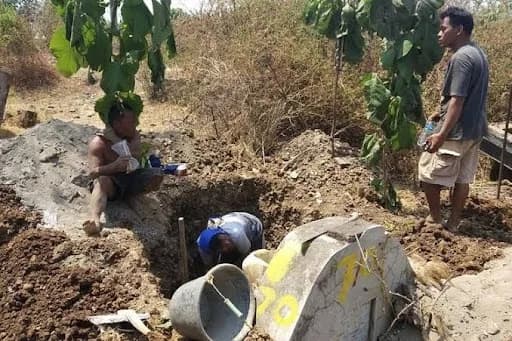
Cemetery staff begin digging and opening the grave. After that, they retrieve the remains.
8. Transfer of the Remains
Cemetery staff hand the remains over to the heirs or the party responsible for the transfer.
9. Closing the Grave and Issuance of Permit
Finally, the staff close the grave again and issue a permit to the heirs or the party responsible.
Why Are Graves Relocated?
There are several reasons why a person's grave may be relocated, such as:
1. Family Request
Sometimes a grave is relocated at the request of the family. Often the original location is so far away that it becomes difficult for the family to visit.
For this reason, the family of the deceased may ask for the grave to be moved closer to the family's neighborhood so that it is easier to visit.
2. Natural Disasters
A grave may need to be relocated because of a natural disaster. For example, the soil around the grave may suffer a landslide, be hit by flooding, or lie in an area prone to disasters, so that if it is not moved to a safer place there is a risk of damage.
This reason is common for cemeteries near rivers or beaches that are vulnerable to erosion. For this reason, residents often decide to relocate graves even though it involves some costs, so that they are safer from disasters.
3. Regional Development Projects
In some areas, graves need to be relocated because their location is strategic for building social infrastructure, such as flyovers, road construction, hospitals, school buildings, irrigation systems, and others that benefit the community.
Price Range for Grave Relocation Services by Kamboja
Grave relocation is the process of moving remains from one cemetery to another, usually carried out at the family's request for various reasons, such as relocating to a family cemetery or to a cemetery closer to home.
Kamboja, as a trusted funeral service provider, offers grave relocation services with a range of options to suit your needs. Prices for this service vary depending on the complexity of the work, the distance between the original and destination graves, and the condition of the remains to be moved. The following is the price range for grave relocation services by Kamboja:
A. Preparation for Transferring the Remains to Another TPU/TPS
- Excavation and Preparation for Transfer to Another TPU: The grave excavation process, preparation of the remains with a burial shroud, cemetery administration, prayers, and grave cleaning.
- Body Bag: Included in the service.
- Price: IDR 8,500,000* (excluding transportation/cargo services and burial arrangements at the destination TPU/TPS).
B. Transfer of Remains From and To the Same TPU (Muslim)
- Excavation and Transfer of Remains: From and to the same TPU, including excavation and transfer of the remains.
- TPU Services: Administration, excavation, and cleaning for 2 grave units.
- Burial Shroud & Body Bag: Included in the service.
- Standard Flower Package: Included.
- Price: IDR 11,000,000.
C. Transfer of Remains From and To the Same TPU (Non-Muslim)
- Excavation and Relocation of Remains: From and to the same public cemetery, including excavation and relocation of the remains.
- Public Cemetery Management: Administration, excavation, and cleaning for 2 grave units.
- Body Bag: Included in the service.
- Standard Flower Package: Included.
- Price: IDR 13,500,000.
Want to Know How Grave Relocation Works?
Those are some details about the cost of relocating a grave, whether to a public cemetery (TPU) or a private cemetery. Relocating a grave is certainly permitted, provided the heirs or the responsible party meet the requirements and follow the correct procedures, and it should never be done carelessly.
If you are planning to relocate a grave and need grave relocation services, Kamboja can help you. Kamboja will assist you in relocating your loved one's remains professionally, so that those who have passed can be laid to rest in a worthy and suitable place.
You can contact Kamboja's contact team to discuss with one of the Kamboja team members and get other important information.
- #grave relocation service
- #grave relocation

dev_kamboja
The Kamboja team writes guides on bereavement, funeral arrangements and funeral planning to help families in Indonesia.