Death is often seen as something frightening or full of sorrow. All of humanity waits for the time it arrives, and all we can do is take care of our health and keep doing good.
In Buddhist teaching, however, death carries a much deeper and wiser meaning. Death is not the end of everything, but a natural part of the cycle of life that keeps turning.
Through this article, we will discuss in full the meaning of death according to Buddhism, how Buddhists approach it, an overview of the core funeral practices in the Buddhist tradition, and an introduction to funeral services from Kamboja.
The Meaning of Death in Buddhist Teaching
In Buddhist teaching, death is not the end of existence but a process of change or transition. Life is seen as part of a cycle called samsara, the repeating cycle of birth, life, death, and rebirth.
This cycle does not happen at random. It is shaped by karma, the result of a person's actions, words, and thoughts during their life. What we do now will influence the life that follows.
From this perspective:
- Death is a change in the form of existence
- Life does not stop but continues in another form
- The ultimate goal is not merely to be reborn, but to be freed from samsara (nirvana)
In Buddhist teaching, the state after death for someone who has attained enlightenment is called parinirvana, a state of being completely freed from the cycle of rebirth.
Key Concepts: Anicca, Dukkha, and Anatta
To understand death in Buddhism, there are three main concepts worth knowing:
1. Anicca (Impermanence)
Anicca means that all things are impermanent and always changing. Nothing in this world can last forever, whether the body, feelings, relationships, or life itself.
In everyday life, we can see anicca through:
- A body that ages
- Feelings that keep shifting
- Life situations that are never fixed
This teaching is also emphasized in the Dhamma: life is uncertain, while death is certain. Awareness of impermanence encourages Buddhists not to cling too tightly to worldly things, since everything will eventually change or end.
2. Dukkha (Unsatisfactoriness or Suffering)
Dukkha is often translated as suffering, but its meaning is broader: unsatisfactoriness or imperfection in life.
Why is life called dukkha?
- Because all things are impermanent (anicca)
- Because we often do not get what we want
- Because we must experience sickness, aging, and eventually death
In Buddhist teaching, dukkha is not only sorrow but also a condition of "never truly being fully satisfying". Even happiness is temporary, so it can eventually turn into dissatisfaction.
3. Anatta (Non-Self)
Anatta is the concept that there is no fixed or eternal "self" or soul.
This means:
- Humans are not fixed entities
- There is no "I" that is truly permanent
- Everything arises through the process of cause and effect (karma).
What we regard as the "self" is actually only a collection of:
- The body
- Feelings
- Thoughts
- Consciousness
All of these keep changing, so there is no fixed core that can be called "I" that lasts forever.
How Buddhists View Death
In Buddhist teaching, death is met not with denial or fear, but with mindfulness and acceptance.
1. Accepting Death as Certain
Buddhist teaching emphasizes that life is uncertain, but death is certain. This awareness encourages a person to live more meaningfully.
2. Not Clinging Excessively
Grief is natural, but excessive attachment is considered to prolong suffering.
3. Focusing on Good Karma
Because the next life is influenced by karma, Buddhists are encouraged to:
- Do good deeds
- Guard the mind
- Avoid negative actions
4. Reciting Prayers and Dedicating Merit
In Buddhist tradition, the family usually:
- Recites paritta (protective verses)
- Dedicates merit (transfer of merit)
The purpose is to help the mental state of the deceased be better during the process of rebirth.
Buddhist Funeral Customs
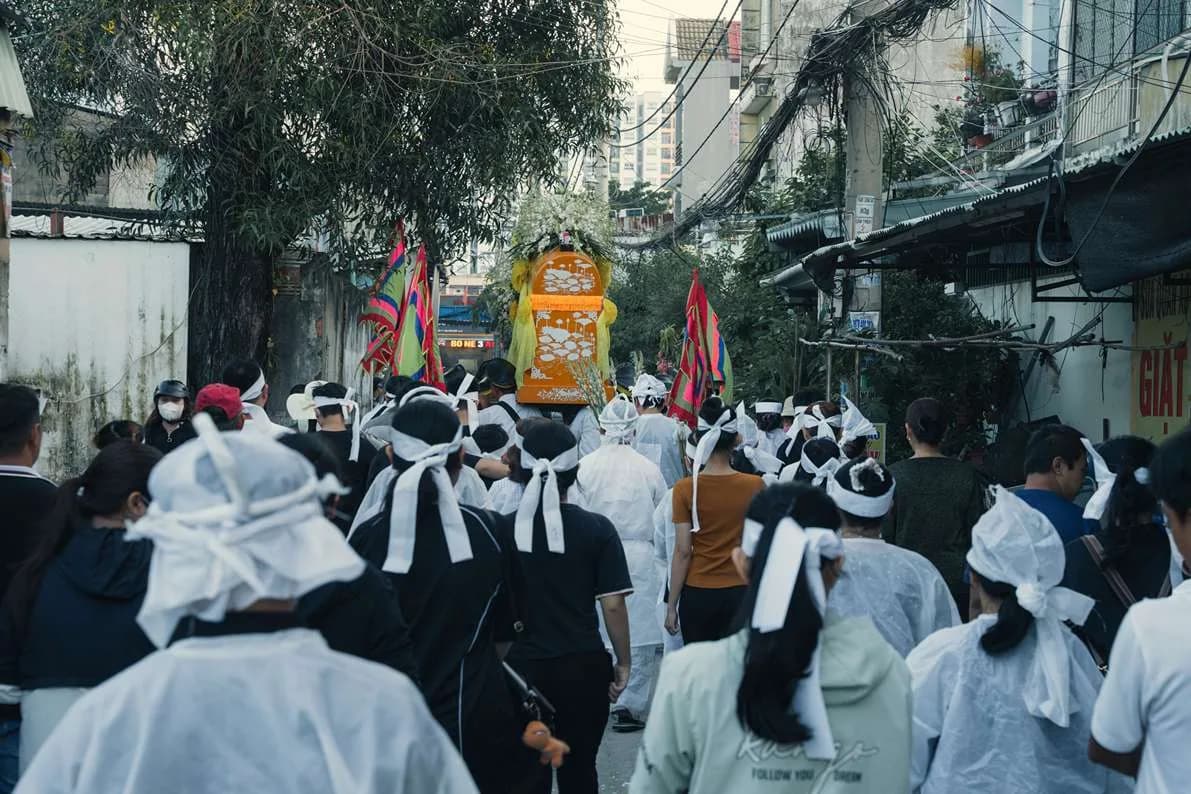
Funeral customs in Buddhism can vary depending on the tradition (Theravada, Mahayana, and others), but they generally share the same core.
1. Preparing the Body
The body is cleaned and dressed in appropriate clothing. The atmosphere is kept calm and full of respect.
2. Prayer Ceremony (Paritta)
Monks or religious leaders recite prayers:
- For the peace of the deceased's mind
- To remind the family of the Dharma teachings
3. Final Farewell
Family and relatives pay their last respects as an expression of love and appreciation.
4. Cremation or Burial Procession
In many Buddhist traditions, cremation is more common, because:
- It symbolizes the impermanence of the body
- The physical body is regarded as not the essence of existence
5. Dedication of Merit (Pattidana)
The family performs acts of merit such as:
- Giving donations
- Praying
- Doing good deeds
The merit from these acts is then dedicated to the deceased.
Buddhist Funeral Services from Kamboja!
Ultimately, understanding the meaning of death according to Buddhist teachings helps us accept every farewell with greater peace, mindfulness, and wisdom.
In the midst of grief, families need calm so they can focus on prayer, the final farewell, and dedicating merit for the deceased, rather than being burdened by the many complicated practical arrangements.
To help, Kamboja is here as a provider of body care services as well as Buddhist funeral services in Indonesia, experienced and trusted. The entire series of rites, from preparation through to the ceremony itself, is handled completely and professionally, so families do not need to worry about the logistics of the funeral.
To learn more about our services, you can visit the Kambojawebsite, or contact the Kamboja team directly via WhatsApp at +6282211111415 for prompt and proper assistance and support.
- #funeral services
- #jasa kedukaan
- #kremasi
- #pemakaman Tionghoa

Kamboja Blog
The Kamboja team writes guides on bereavement, funeral arrangements and funeral planning to help families in Indonesia.