Chinese Cemetery Feng Shui: The Position and Condition of a Grave Carry Special Meaning
- Kamboja Blog
- (updated )
- 8 min read
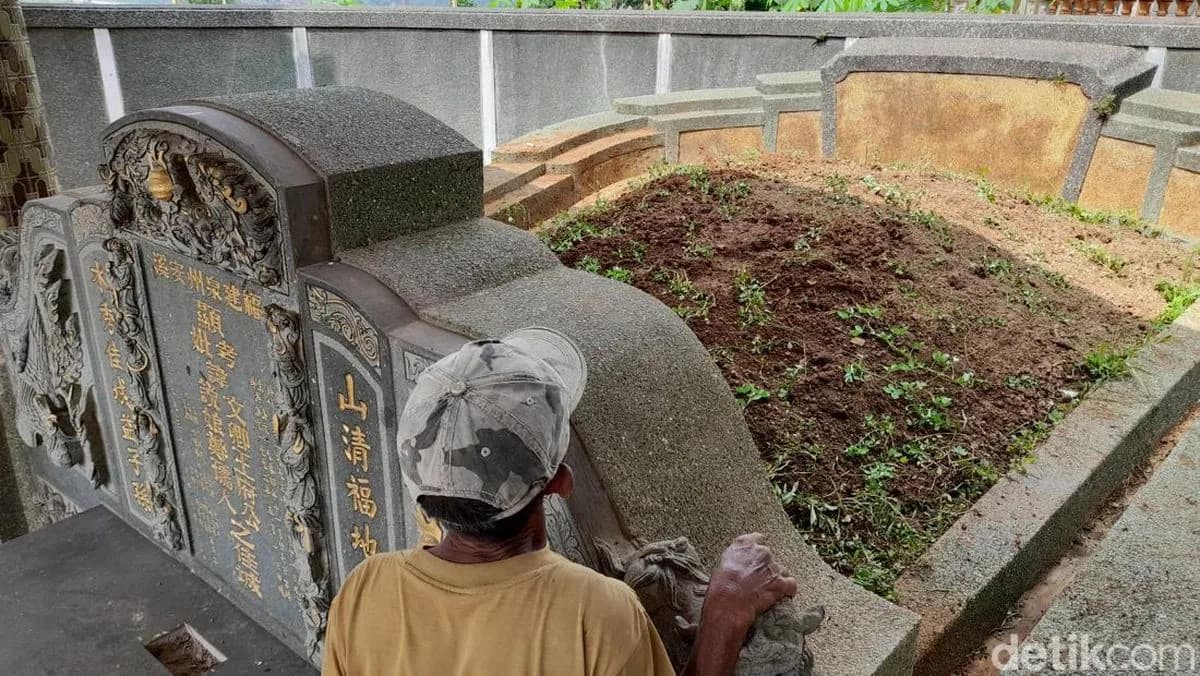
For many Chinese communities, a grave is far more than a place to lay the body of someone who has passed away. The location, the shape of the land, the direction the grave faces, the presence of water, and the surrounding environment are believed to be connected to the harmony between ancestors and their descendants. This is what is known as Chinese cemetery feng shui.
Chinese cemetery feng shui is known as 风水 (Fēng Shuǐ), a principle of arranging the environment based on the relationship between natural energies, the form of the land, direction, and the flow of qi (气; Qì).
However, it is important to understand that the belief in cemetery feng shui is a cultural belief and tradition, not something that has been scientifically proven. Each Chinese family may also have different traditions and perspectives.
What Is Chinese Cemetery Feng Shui?
Simply put, Chinese cemetery feng shui is the application of feng shui principles to a grave or an ancestor's resting place. In Chinese funeral practices, this concept is often associated with 阴宅 (Yīn Zhái), the dwelling place of those who have passed away.
Unlike 阳宅 (Yáng Zhái), which relates to the homes of the living, yin zhai focuses on how a grave is placed within the landscape.
The aim is not simply to make the grave look good. Attention is paid to how the hills, soil, water, trees, rocks, direction, and land form around the grave relate to one another.
There is a belief that when an ancestor's grave sits in a harmonious environment, qi can flow well. This condition is then believed to bring good influences to descendants, such as family harmony, health, good fortune, or prosperity.
For this reason, in traditional practice, choosing a grave site can be a very serious matter and may even involve feng shui experts.
8 Facts & Elements of Chinese Cemetery Feng Shui and Their Meanings
Here are some facts worth knowing:
1. The direction and position of the grave are considered very important
One of the first things considered in Chinese cemetery feng shui is the direction the grave faces.
Direction is usually determined by the orientation of the grave and the condition of the surrounding landscape. In feng shui traditions, particular directions may be associated with different elements and energy characteristics.
A grave considered to have a favorable orientation is believed to help create a balance of qi. Conversely, a position considered unsuitable is believed to cause disharmonious energy.
2. The shape of the land behind the grave carries meaning
In feng shui, the area behind a grave ideally has natural support, such as a hill or elevated ground.
This idea relates to 玄武 (Xuán Wǔ), or the Black Tortoise, in the symbolic system of feng shui. Simply put, the back is considered to need protection or a "backrest."
If the area behind the grave has a stable hill, this condition is believed to provide a sense of being protected and secure.
3. Water is believed to be connected to the flow of qi and prosperity
Water, or 水 (Shuǐ), is one of the most important elements in feng shui.
In feng shui traditions, water located in the right place is believed to help gather or carry qi. Calm water that flows well is often considered more auspicious than dirty, stagnant, or overly rushing water.
Water is also symbolically associated with livelihood and prosperity.
However, this does not mean a grave must always be located right beside a river. Position, direction of flow, distance, and the shape of the surroundings remain important considerations.
4. The condition of the grave needs to be maintained
Chinese cemetery feng shui concerns not only the location when a grave is first built. The condition of the grave over the years is also taken into account.
A grave that is cracked, damaged, overgrown with weeds, waterlogged, or neglected may be regarded as being in a less favorable condition.
In traditional belief, a well-kept grave shows respect for ancestors. Conversely, a grave left in disrepair is considered not to reflect a harmonious relationship between descendants and their ancestors.
Therefore, cleaning the grave, repairing damaged parts, and caring for the surrounding area are an important part of honoring the person who has passed away.
5. The shape of mountains and hills is regarded as the "dragon"
In feng shui, mountain ranges are often compared to a dragon, or 龙 (Lóng). The dragon symbolizes the path or form of energy that flows through the landscape.
Mountains, hills, and land contours can form what feng shui traditions call a dragon vein.
A grave located where the land is considered to have a good dragon vein is believed to have stronger support from qi.
6. Sand or 沙 (Shā) serves as protection
The next element is 沙 (Shā), or sand. In the context of feng shui, this term does not always mean sand like that found on a beach.
“Sha" is more often used to describe the hills, mounds, or landforms around the main site that act as protection.
This concept relates to the landscape formation surrounding the grave. Two sides of a grave with balanced hills or land contours can be considered to provide protection.
7. A cave or 洞 (Dòng) symbolizes a place where qi gathers
The element 洞 (Dòng) means a cave or a hole/gap in the landscape.
In traditional feng shui, the concept of a "cave" relates more to a location or point where qi is considered to gather.
A place considered to have the right land formation and to be sheltered can be seen as a good location for capturing or gathering qi.
8. The gravestone and its orientation are also considered
The gravestone, or grave 墓 (Mù), is an inseparable part of the overall layout.
The direction of the gravestone, the shape of the grave, its position relative to the surrounding environment, and its physical condition can all be part of feng shui considerations.
In certain traditions, changing the position of a grave or renovating it may even be done with special consideration. This is usually not done carelessly, because the grave is regarded as an important place for ancestors.
How to Determine Good Feng Shui for a Chinese Grave?
Choosing a grave with feng shui considered favorable is actually quite complex. However, put simply, there are several things to keep in mind.
A. Consider the stability of the soil
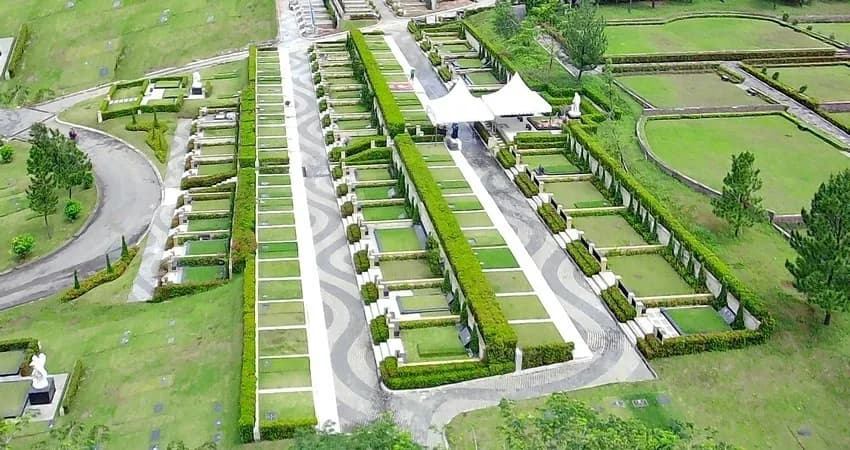
Choose a location with stable soil that is not prone to landslides, flooding, or erosion. This is important not only from a feng shui perspective, but also for keeping the grave well preserved over the long term.
B. Consider the shape of the surroundings
Look at what lies behind, in front of, to the left, and to the right of the grave. Are there hills? Is it too exposed? Are there tall buildings or major roads too close by?
In feng shui, the entire landscape is regarded as one whole.
C. Consider the presence of water
Water should not simply be present. Its direction of flow, cleanliness, and position relative to the grave are also taken into account. Avoid conditions that are practically risky, such as water pooling around the grave.
D. Determine the direction accurately
Do not determine direction based only on estimates of the sun or the position of a road.
If the family follows traditional feng shui, using a feng shui compass and consulting a practitioner who understands that tradition may be an option.
E. Keep the grave clean
A well-kept grave shows respect for ancestors. Regularly clean away moss, leaves, rubbish, and wild plants, and promptly repair any damage.
What About Feng Shui If the Body Is Cremated?
So, does feng shui still apply if someone is cremated?
In Chinese tradition, the answer can vary depending on the family and the belief system they follow.
If the cremated ashes are placed in a grave, columbarium, or a dedicated place, some families still consider factors such as direction, location, environmental conditions, and the position of the storage place for the ashes.
So, feng shui does not always end with conventional burial of the body.
For families who choose cremation, some things that can be considered include:
- the location of the ash storage
- the orientation of the storage place
- the condition of the building or columbarium area
- the surrounding environment
- lighting and ventilation
- cleanliness and upkeep of the site
- family traditions and cemetery regulations
Most importantly, understand that there is no single feng shui standard that applies to every Chinese family. Practices can differ by region, dialect, family tradition, and the feng shui school being followed.
Tips for Choosing a Grave Site from Both Feng Shui and Practical Perspectives
So that you do not rely on beliefs alone, here are some additional tips:
- Make sure the location is not prone to flooding, landslides, or erosion.
- Consider the surrounding environment.
- Pay attention to direction and landscape.
- Do not overlook cemetery regulations.
- Discuss the choice with your family.
- If needed, seek the help of a feng shui expert.
No Need to Struggle with Funeral Arrangements, Leave It to Kamboja.co.id
Arranging a funeral, especially while the family is grieving, is certainly not easy. Beyond thinking about Chinese funeral attire or the traditions the family wishes to observe, relatives must also handle the many logistical needs of the funeral ceremony, from preparing the venue and equipment to everything else required.
So that families can focus on paying their final respects to their loved one, Kamboja.co.id provides funeral services that help manage the various needs throughout the funeral process.
If you need help preparing a more practical and well-organized funeral procession, you can learn more about the full range of services through Kamboja.co.id's funeral services via WhatsApp. +62 822-1111-1415
- #funeral services
- #jasa kedukaan
- #manajemen pemakaman
- #kremasi

Kamboja Blog
The Kamboja team writes guides on bereavement, funeral arrangements and funeral planning to help families in Indonesia.