Every culture has its own way of remembering and honoring the loved ones who have passed before us. Some do it through shared prayer, some through traditional ceremonies, and some through customs passed down for hundreds or even thousands of years. For the Chinese community, this meaningful time is known as cheng beng.
This tradition is more than just an annual ritual. It is also a special time to gather with family, remember ancestors, and strengthen bonds across generations. Behind its simple atmosphere lies a deep sense of history, culture, and reverence.
What Is Cheng Beng?
Cheng Beng, also known as Qing Ming (meaning "clear and bright"), is one of the traditional festivals known since ancient China. It is said that this tradition has existed for more than 4,000 years and has continued to be passed down from generation to generation until today.
It is no surprise that cheng beng is one of the most important moments in Chinese culture. The festival goes by several other names, such as the Tomb-Sweeping Day, the Grave Visiting Day, the Spring Remembrance Day, and the Cold Food Festival. These names describe the main activities carried out during the celebration.
Usually, on Cheng Beng day, families visit their ancestors' graves to clean the grave site, pray, and pay their respects. Afterward, the mood is not always somber; it is often a time of togetherness.
Many people also use this day for outings, strolling around the city, visiting lakes, flying kites, eating eggs, and even enjoying wine together with family.
The History of Cheng Beng
The history of Cheng Beng, or Qingming is closely tied to two important stories in Chinese culture. One is the story of Jie Zhitui and Crown Prince Chong Er of the Jin Dynasty. When Chong Er was exiled and lived on the run, Jie Zhitui showed extraordinary loyalty by sacrificing himself for his lord.
After Chong Er successfully returned to become king, he wanted to repay the kindness, but Jie chose to live a simple life in the mountains with his mother. Tragically, Jie was found dead after the forest was set on fire in search of him.
To remember his loyalty, the day was commemorated as Hanshi, or the Cold Food Day, when people did not light fires to cook. Later, in 732, Emperor Xuanzong of the Tang Dynasty decided that ancestral veneration only needed to be carried out on Qingming day, so that people would not be burdened by ceremonies that were too frequent and costly.
Over time, during the Qing Dynasty, the Hanshi commemoration was merged with Qingming. This tradition came to be widely known as Cheng Beng and is still celebrated today as an important moment to honor ancestors and gather together with family.
What Is Done During Cheng Beng?
When Cheng Beng arrives, the atmosphere is usually solemn yet warm, as the whole family comes together. This tradition is not only about grave visits, but also an expression of filial piety and respect for ancestors. Here are some things commonly done during the Cheng Beng celebration:
1. Returning Home & Visiting the Grave
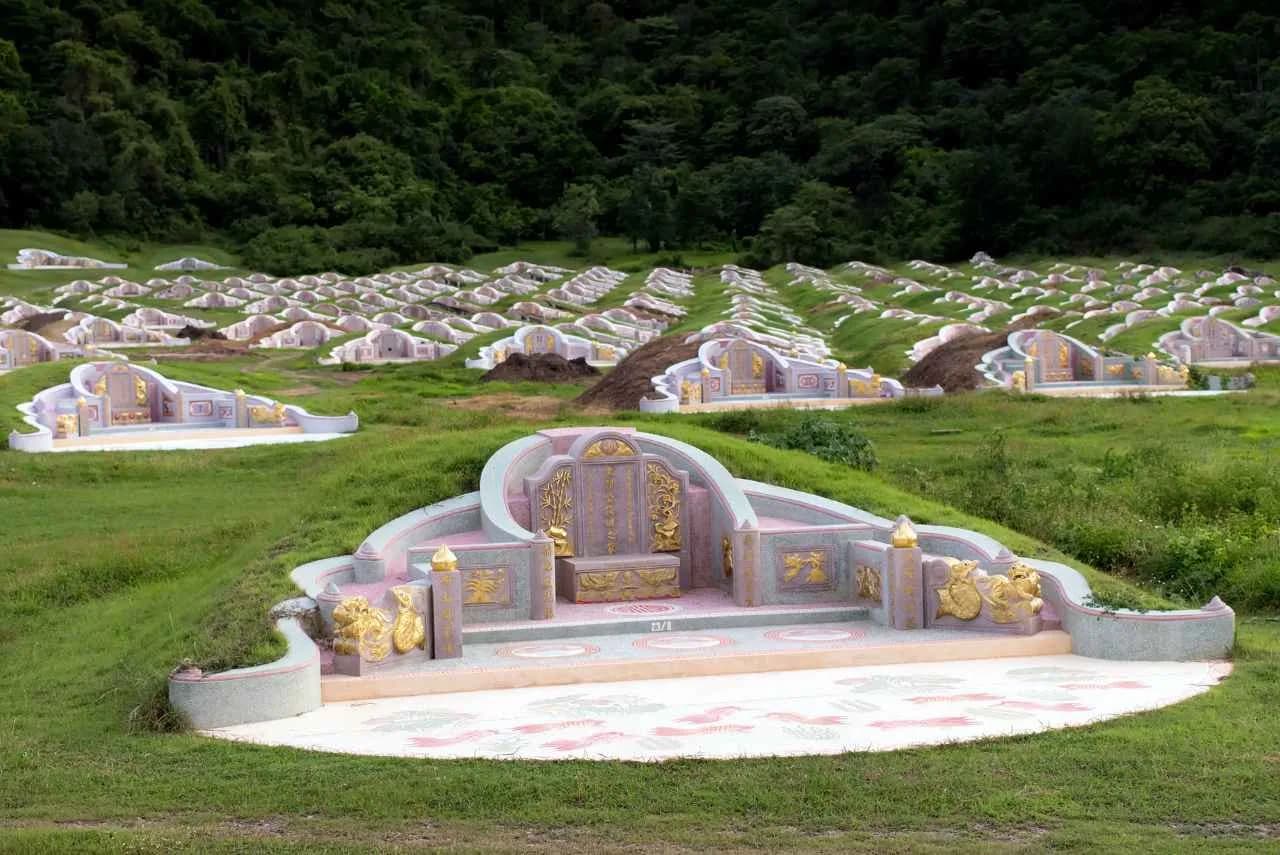
Many Chinese families return to their hometowns specifically for Cheng Beng. They visit their ancestors' graves as an expression of devotion and respect. This is an important moment, as all family members are usually present together.
2. Cleaning & Tidying the Grave
Upon arriving at the grave, the first thing done is cleaning the grave site.
Weeds are pulled, headstones are wiped clean, and the grave is tidied so it looks neat and dignified. This act symbolizes care and love for the ancestors.
3. Preparing Offerings
A few days before Cheng Beng, families begin preparing supplies such as incense (hio), candles, prayer paper, fruit, and the ancestors' favorite foods.
Everything is prepared with great care, as it is believed to be a way of serving the spirits of family members who have passed away.
4. Lighting Candles & Incense
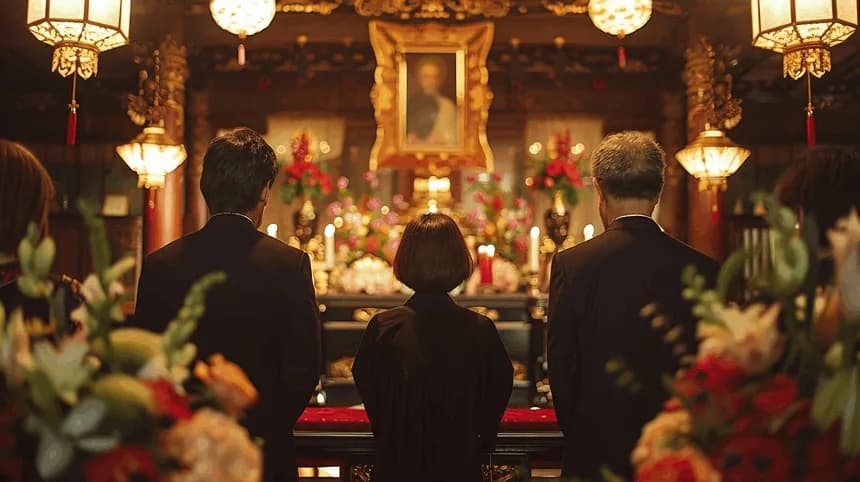
Candles (lak cek) is lit as a symbol of light for the departed, while incense (hio) is burned as a sign of respect and prayer.
5. Burning Prayer Paper (Kim Ci)
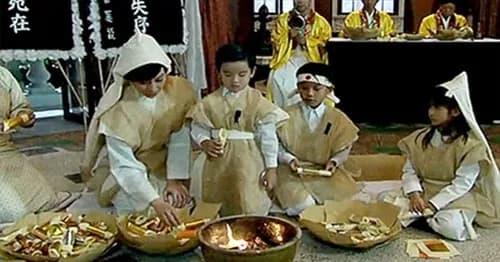
During this procession, the family brings kim ci, which are prayer papers and paper money.
These papers are burned as a symbol of provisions for ancestors in the afterlife. There are also Kimcua (gold money) and Gincua (silver money), which are believed to help the departed meet their needs there.
6. Bringing or Using an Incense Holder
Some families bring a hiolo (incense holder) from home, although many cemeteries now provide one.
7. Prayer Procession
During this procession, the family brings kim ci, which are prayer papers and paper money.
These papers are burned as a symbol of provisions for ancestors in the afterlife. There are also Kimcua (gold money) and Gincua (silver money), which are believed to help the departed meet their needs there.
8. Offering Prayers
Prayers usually express hopes for health, good fortune and well-being, and ask that ancestors continue to watch over the family.
9. Burning Paper Replicas
Paper items such as clothing, houses, cars and even TVs are burned as symbols of what ancestors may need in the life after death.
10. Saying Farewell
The ritual closes with a farewell at the grave, marking that the family has finished their visit and hopes the ancestors will kindly continue to protect them.
The Meaning of Cheng Beng
Behind all of these rituals and traditions, Cheng Beng carries deep meaning. It is more than a grave visit; it is a tangible expression of filial devotion, respect and love for ancestors. This tradition reminds us that we are never separated from our family roots and the history that shapes who we are today.
Cheng Beng is also a moment to strengthen bonds among family members. Amid busy lives, this day becomes a special time to gather, remember and support one another.
So its meaning is not only about those who have passed away, but also about preserving the values of family and togetherness that remain alive today.
Take Time to Strengthen Family Bonds!
In today's fast-paced modern life, Cheng Beng reminds us to pause, reflect on our origins and strengthen family ties. Ultimately, honoring those who have passed away is how we keep our roots and family identity alive.
In a difficult time of grief, families need peace of mind without being burdened by technical matters. Kamboja is here as a provider of funeral services and body care services that are professional, from burial to cremation, all handled neatly and with empathy.
Even details such as grave arrangement and recommendations for types of grave plants They can also help make the final resting place look beautiful and well cared for. That way, the family can focus on prayer and supporting one another, without being overwhelmed by the logistics. For more information, please contact us on WhatsApp +6282211111415.
- #funeral services
- #jasa kedukaan
- #pemakaman Tionghoa

Kamboja Blog
The Kamboja team writes guides on bereavement, funeral arrangements and funeral planning to help families in Indonesia.